Italian food
Pizza vs. Pinsa: What Makes Them Different at Davanti
Pinsa vs. pizza: compare shape, crust texture, dough handling, and toppings, then see how Davanti serves both at its Houston Italian restaurant.
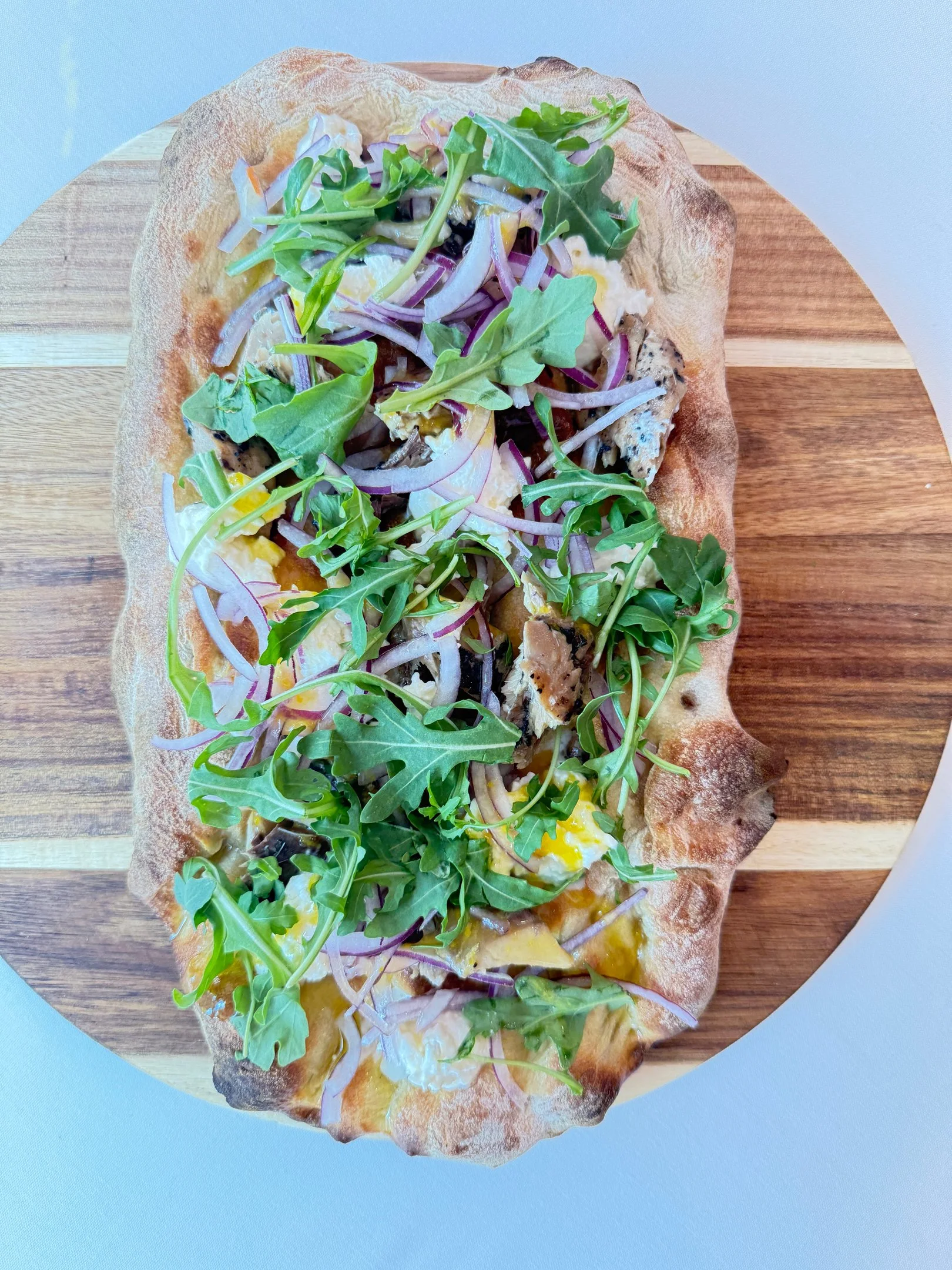
Pinsa and pizza are both baked flatbreads, but the difference is visible before the first bite. Pizza is usually round with the familiar chew and structure of a pie; pinsa is commonly oval and, at Davanti, is made for a crisper surface and a light, airy interior.
Those contrasts come from more than shape. Fermentation, hydration, flour choice, handling, and baking all influence the finished crust, so “pinsa vs. pizza” is best answered by looking at texture and the way each base carries its toppings.
Start with what you can see
Pizza is usually shaped as a round. Pinsa is commonly stretched into an oval or oblong form. That shape is the quickest clue at the table, but the more useful difference is texture.
At Davanti, pinsa is intended to feel light and airy inside with a crisp surface. Pizza provides the more familiar chew and structure that many guests expect from a classic pie. Our guide to fresh pasta and bronze dies explores a related kitchen lesson: the handling and shaping of dough can change the way a finished dish meets sauce or toppings.
The toppings follow the base
A light pinsa works especially well with toppings that are added for contrast: creamy stracciatella, cured or roasted meats, fresh greens, and aromatic vegetables. Our archived Pinsa con Porchetta, Patate e Rucola is a good example. Savory pork and potato make it substantial; stracciatella and arugula keep the finish fresh.
Pizza can carry a different balance. The broader round base supports combinations such as broccoletti, burrata, anchovies, and bottarga, where bitter greens, soft cheese, and cured seafood need enough crust beneath them.
A note about the “ancient Roman” story
Pinsa is often promoted with a direct origin story reaching back to ancient Rome. Food history is rarely that tidy. Ancient Romans certainly baked flatbreads and the word is often connected to the Latin pinsere, meaning to press or stretch, but today’s branded, carefully formulated pinsa style is modern. We prefer to describe what we actually make and serve rather than turn a good crust into a legend.
Which should you order?
Choose pinsa when you want an especially crisp, airy base and a topping combination built around contrast. Choose pizza when you want the familiar shape and chew of a pie. Better yet, share one of each. The difference becomes obvious after the first two bites.
Recipes and flour blends are part of Davanti’s kitchen practice and can evolve.
See the current pizza and pinsa choices on our menu, then order directly through Davanti when you are ready to compare them at the table.
Culinary details reviewed by Chef Roberto Crescini.