
Italian vegetables
Italian Summer Vegetables: Fiori di Zucca, Melanzane, and Peperoni
Squash blossoms, eggplant, and peppers show how Italian cooks turn a summer harvest into crisp bites, sweet-sour dishes, sauces, and regional signatures.
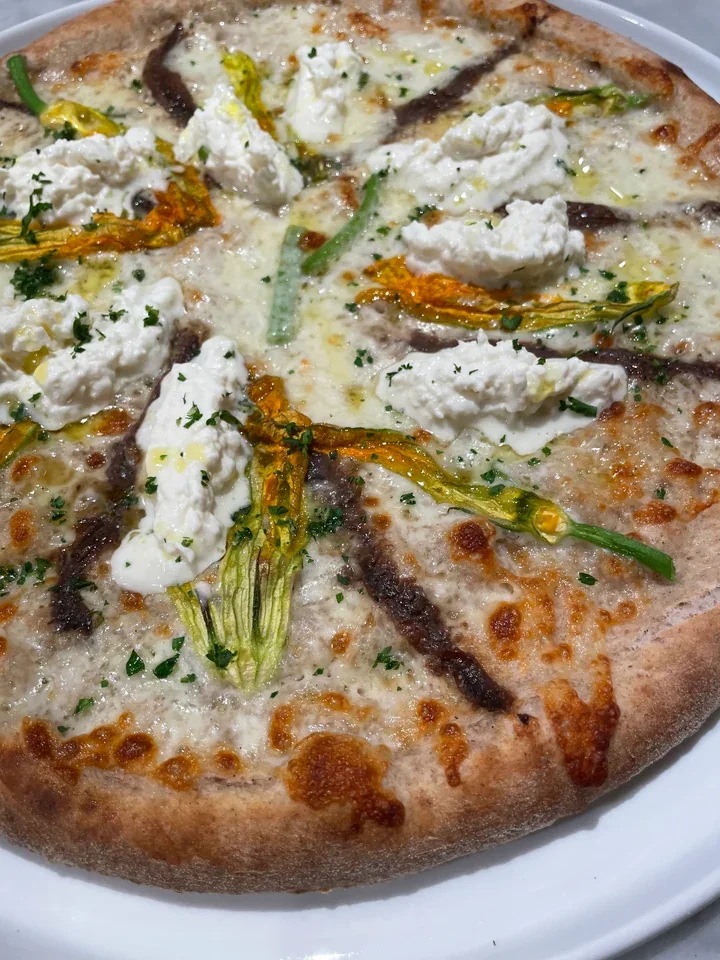
Summer vegetables enter an Italian kitchen with different demands. A squash blossom can wilt between market and stove. Eggplant arrives firm and spongy, ready to absorb oil, tomato, vinegar, or smoke. A pepper begins crisp and grassy, then becomes sweet and supple under heat.
Putting fiori di zucca, melanzane, and peperoni together does not produce one national summer menu. Italy’s regions give each vegetable several lives, and even neighboring towns can disagree about the right preparation. What connects them is a style of attention: choose the vegetable at its moment, then use heat, salt, acidity, and texture to make its particular character clearer.
Fiori di zucca: delicacy that invites contrast
The English phrase “squash blossom” covers flowers that Italian menus may call fiori di zucca or fiori di zucchina. Culinary naming is not always a precise botanical label, so the dish and local usage matter more than forcing every blossom into one universal term.
Their appeal begins with fragility. The petals are thin, the flavor mild, and the window between freshness and collapse short. Italian preparations often answer that delicacy with contrast: a crisp batter around the flower, a savory filling inside it, or a quick finish on pizza or pasta that leaves its shape recognizable.
Turismo Roma identifies fried courgette flowers among the city’s traditional street foods and describes a version filled with mozzarella and anchovies before frying. The flower becomes both ingredient and wrapper. Its petals hold a salty, melting center while the batter supplies the crunch the blossom could never create alone.
That Roman example is influential, but it is not the only correct treatment. Blossoms may appear unfilled, paired with ricotta rather than mozzarella, folded into a fritter, scattered over pizza, or moved gently through pasta. The practical principle remains consistent: avoid burying an ingredient whose pleasure lies partly in its color and fleeting texture.
Melanzane: a vegetable shaped by method
Eggplant can seem like a blank canvas because it welcomes so many flavors, yet its texture changes dramatically with technique. Fried pieces develop browned edges and a creamy interior. Grilled slices become smoky and flexible. Layered with tomato and cheese, eggplant can give structure to a baked dish while absorbing the sauce around it.
Sicilian caponata shows how much range one vegetable can hold. Visit Sicily’s documented Palermo-style preparation brings fried eggplant together with celery, tomato, onion, olives, capers, pine nuts, vinegar, and sugar. Sweet and sour—agrodolce—is not a garnish at the end; it organizes the dish, balancing fried richness with acidity and allowing the vegetables to taste vivid even after they have softened.
The same official account lists differences around the island. Agrigento, Catania, Messina, and Trapani have their own variations, with peppers, almonds, raisins, garlic, honey, or different forms of tomato appearing in some versions. “Caponata” therefore names a recognizable family while leaving room for local identity.
Eggplant parmigiana offers another lesson in regional plurality. Italia.it includes parmigiana di melanzane among Calabria’s communal dishes and notes variations among its provinces. That variation matters more here than assigning the dish a single birthplace. The technique makes eggplant substantial through layering, frying or baking, tomato, cheese, and patient resting.
Peperoni: late-summer sweetness from north to south
Peppers reward a different transformation. Raw flesh is crisp and sometimes sharp; roasting or slow cooking softens the walls and concentrates sweetness. Their colors remain visually powerful, which is one reason peppers can define a plate even when joined by onion, tomato, meat, or vinegar.
The Peperone di Carmagnola demonstrates that peppers are not only a southern Italian story. Regione Piemonte’s traditional-product record places production around Carmagnola and nearby municipalities in the provinces of Turin and Cuneo. It describes first fruits in July, with the season continuing into October. Visit Piemonte also identifies the Carmagnola pepper among the region’s celebrated vegetable specialties.
That calendar makes the pepper a bridge from high summer into early autumn. It can be roasted and peeled for an antipasto, cooked into a sauce, paired with meat, or preserved for a later table. The method chosen answers both variety and ripeness: a thick-walled sweet pepper behaves differently under heat from a slender, sharper one.
Peppers also cross paths with eggplant. Visit Sicily records red and yellow peppers in some Catania caponata traditions and peppers in other provincial versions. One harvest does not have to remain divided into separate dishes. Regional cooking often builds complexity by letting vegetables share oil, acid, aromatics, and resting time while preserving distinct textures.
Seasonality is more than a date
Cooking seasonally is sometimes reduced to a calendar chart. In practice, it is sensory. A blossom must still feel fresh enough to hold. Eggplant should suit the intended technique. A pepper needs the sweetness, thickness, or gentle heat the dish expects. Place, weather, variety, and harvest timing can shift the exact window.
Seasonality also changes the cook’s task. A beautiful summer vegetable may need less correction and more restraint: quick heat for a blossom, deliberate browning for eggplant, patient roasting for pepper. Acid can sharpen sweetness; herbs can lift cooked richness; cheese or anchovy can supply savor. The ingredient sets the terms.
The archive photograph above documents a past Davanti Pizza con Fiori di Zucca, Stracciatella e Alici presentation. It does not establish the harvest location, variety, protected status, or present availability of the pictured ingredients. See the menu and current weekend specials for what the kitchen is serving now.
Culinary details reviewed by Oliver Calza, Davanti Co-Founder.